
 See Our Latest Article on HelloNation

Can Chiropractic Play a Role in Seasonal Allergy Relief?
Many residents of Cornwall, NY experience seasonal allergies, especially as trees bloom and pollen counts rise each spring and fall. While chiropractic care is primarily known for addressing joint and back discomfort, some in the community wonder if adjustments might also support those dealing with allergy symptoms. The connection isn’t always straightforward, but exploring how the body’s nervous and immune systems interact sheds light on this question.
How Do Seasonal Allergies Affect Local Residents?
Seasonal allergies, sometimes called hay fever, are triggered by airborne pollen from trees, grasses, and weeds common across the Hudson Highlands. For many in Cornwall, symptoms include:
- Sneezing, nasal congestion, or runny nose
- Itchy or watery eyes
- Sinus pressure or headaches
- Fatigue and trouble sleeping
The city’s seasonal winds and its mix of rural and wooded areas can mean fluctuating pollen levels, impacting residents differently based on neighborhood and local plant life.
What Is the Theory Behind Chiropractic and Immune Function?
Chiropractic care is based on the relationship between the spine, nervous system, and overall health. Practitioners suggest that spinal misalignments, called subluxations, may interfere with nerve signals. Because the nervous system and immune system are closely connected—regulating responses such as inflammation and histamine release—some believe that maintaining spinal health could influence immune resilience, possibly affecting allergy symptoms indirectly.
It’s important to note that there is limited scientific consensus specifically linking chiropractic adjustments to direct allergy relief. Most available evidence supports chiropractic care as a method for reducing pain or discomfort, not as a primary treatment for allergies. However, the nervous system’s influence on immune function continues to be a topic of ongoing research.
What Might Local Residents Expect from Chiropractic During Allergy Season?
Those in the community seeking relief from seasonal allergies may notice that chiropractic care offers:
- Improved general well-being, possibly leading to better rest
- Relief from tension-related headaches or tightness around the neck and upper back, which can intensify sinus pressure
- Suggestions for lifestyle changes, such as posture, breathing techniques, and stress management, that may help indirectly manage symptoms
People sometimes report feeling less stressed or more relaxed after adjustments, which could help the body cope better during allergy flare-ups.
Are There Risks or Limitations?
Spinal adjustments are not a replacement for allergy medications, avoidance strategies, or emergency care required for severe reactions like anaphylaxis. Residents with known allergies should always follow their healthcare provider’s advice for medication use and environmental management.
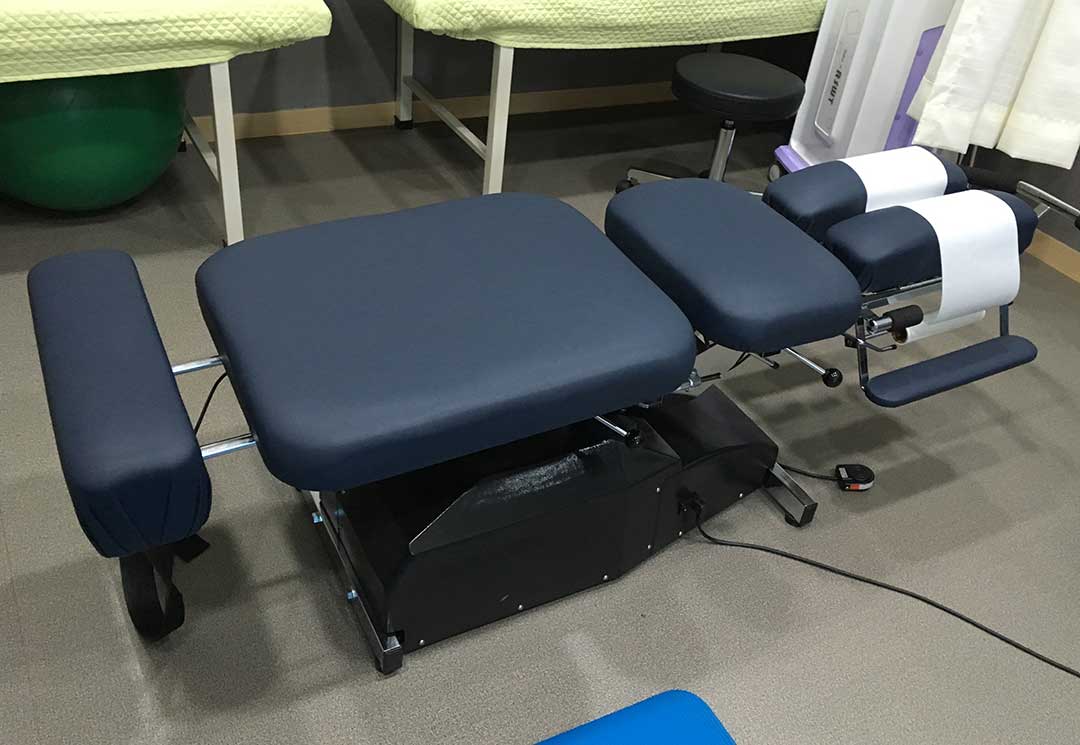
Chiropractic care is generally considered safe for most healthy adults when performed by a trained and licensed practitioner. However, anyone with severe allergies, asthma, or underlying health conditions should discuss their symptoms and care options with their primary physician before making changes to their regimen.
What Other Strategies Can Support Residents Facing Allergy Season?
In addition to any complementary approaches, the following practical steps can help area households:
- Monitor local pollen forecasts and limit outdoor time on high-pollen days, particularly in the morning and evening
- Keep windows closed and use air purifiers or air conditioning if available
- Shower and change clothes after spending time outside to reduce bringing pollen into the home
- Vacuum carpets and wash bedding regularly, especially during peak pollen periods
These steps, combined with any conventional or complementary therapies chosen, can make allergy season more manageable for local families.
Are There Common Misconceptions About Chiropractic and Allergies?
Some people believe that chiropractic care alone can “cure” allergies. This is a misunderstanding—chiropractic does not treat the root cause of allergic reactions, which are immune responses to environmental proteins. Instead, its role, when relevant, is complementary and may provide support for overall comfort or wellness.
It’s also a misconception that everyone will respond the same way. The experience is often individual, and what relieves symptoms for one person might not for another. Approaching allergy management as a collaboration between different strategies—paying attention to lifestyle, medical recommendations, and any chosen supportive therapies—is generally the most effective path.
Practical Takeaways for Cornwall Households
For many in the city, seasonal allergies are a recurring challenge. While chiropractic care is not a substitute for medical allergy treatment, some residents explore it as part of a broader wellness approach, seeking improved comfort and support during stressful symptom periods. As with any health intervention, staying informed, consulting trusted healthcare professionals, and combining strategies often produces the best results.
