
 See Our Latest Article on HelloNation
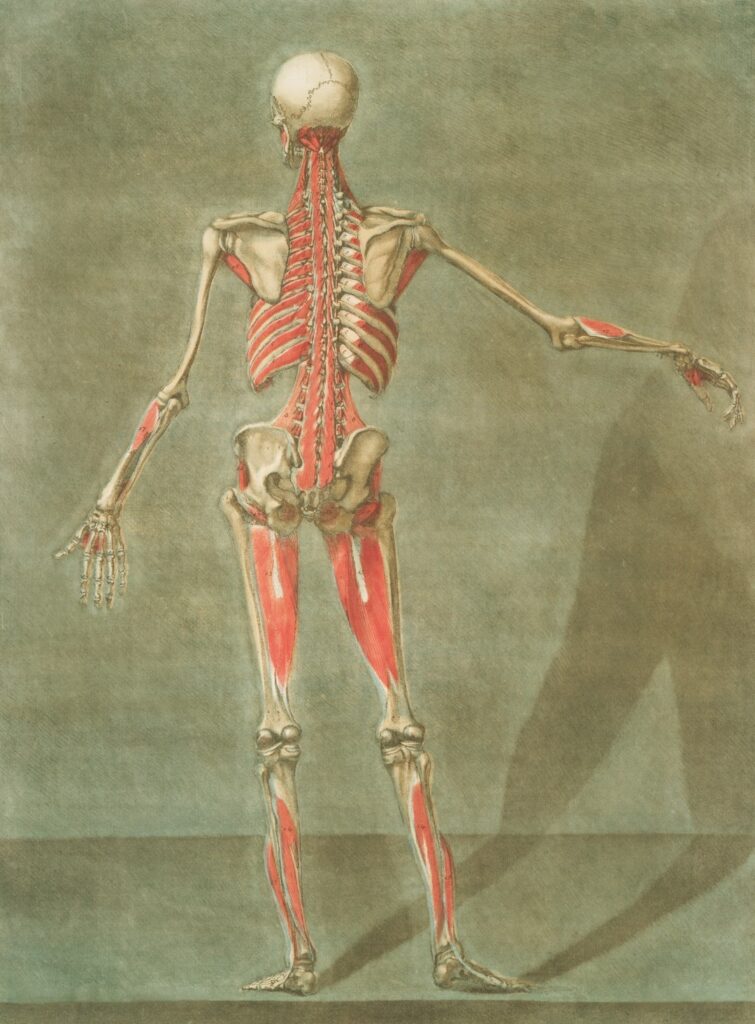
What is the connection between balance and spinal alignment?
In Cornwall, NY, residents may notice balance changes as unsteadiness, veering while walking, difficulty standing on one leg, or a feeling that the ground is moving. Spinal alignment can contribute to these symptoms, particularly when the neck is painful, stiff, injured, or held in an unusual position for long periods.
Balance does not come from one body part. The brain combines information from the eyes, inner ears, muscles, joints, feet, and spine to determine where the body is in space. The neck plays a particularly useful role because it helps the brain track the position of the head in relation to the trunk.
An altered spinal position does not automatically mean that the spine is the cause of a balance problem. It is one possible factor among many, including inner-ear conditions, vision changes, medication effects, low blood pressure, neurological disorders, weakness, and previous injury.
How does the neck help control balance?
The small muscles and joints in the upper neck contain sensors that provide information about movement and position. These signals work alongside the inner-ear balance system and vision.
For example, turning the head while walking requires the brain to coordinate:
- Head and neck position
- Eye movement
- Inner-ear signals
- Foot pressure and leg position
- Trunk movement
If neck joints or muscles become painful, stiff, fatigued, or less accurate in sensing position, the information reaching the brain may become less consistent. Some people then feel dizzy, lightheaded, disoriented, or less steady, especially when turning the head or changing direction.
This type of symptom is sometimes described as cervicogenic dizziness. It usually involves neck discomfort or movement-related symptoms and is considered only after other causes of dizziness have been evaluated. It is not the same as saying that every balance problem comes from “misalignment.”
Can poor posture cause a person to lose balance?
Posture may influence balance, but posture alone rarely explains a persistent or serious balance disorder.
Forward-head posture, rounded shoulders, or prolonged sitting can increase strain in the neck and upper back. These positions may also change how the head is held over the trunk. The body may respond by tightening certain muscles, shifting weight between the feet, or making repeated small corrections to stay upright.
This can create a sense of effort or instability. A person may feel less comfortable standing, walking, or looking upward, even if the problem is not a major structural change in the spine.
Common contributors include:
- Long periods using a phone, tablet, or computer
- Repeated driving or desk work
- Muscle fatigue after lifting or yard work
- Reduced activity after an injury
- Guarding the neck because of pain
- Limited hip, ankle, or upper-back mobility
Seasonal routines can also matter. Winter conditions may lead people to walk more cautiously on ice or packed snow, while spring and summer projects may involve bending, carrying, climbing, or working on uneven ground. These activities can expose weaknesses in balance without proving that spinal alignment is the underlying cause.
What does spinal alignment have to do with proprioception?
Proprioception is the body’s sense of position and movement. It allows a person to know where the head, spine, arms, and legs are without constantly looking at them.
The spine contributes to proprioception through receptors in joints, ligaments, and muscles. The neck is especially important because it links the head to the rest of the body. After whiplash, a fall, prolonged muscle guarding, or a period of neck pain, these signals may become less precise.
A person may then experience:
- Difficulty knowing where the head is positioned
- Unsteadiness when turning or extending the neck
- Increased reliance on vision
- A feeling of being off-balance in dim lighting
- More symptoms when walking over uneven surfaces
This does not mean that an X-ray or posture photograph can identify the exact reason for dizziness. Imaging may show changes that are common in people without symptoms, and alignment measurements do not replace a full clinical assessment.
Is a balance problem always caused by the spine?
No. Balance symptoms can originate from several systems, and some conditions require prompt medical evaluation.
Possible causes include inner-ear disorders, migraine, vision problems, dehydration, blood-pressure changes, medication side effects, concussion, nerve disorders, muscle weakness, and problems affecting the brain or circulation. A person can also have more than one contributing factor at the same time.
A spinning sensation, called vertigo, often points toward the vestibular system, although neck symptoms can occur at the same time. Lightheadedness when standing may be related to blood pressure rather than spinal movement. A tendency to stumble because of leg weakness is different from feeling that the room is spinning.
For this reason, a careful history matters. Useful details include:

- Whether symptoms feel like spinning, faintness, swaying, or weakness
- Whether neck movement brings them on
- Whether hearing changes, ringing, headache, nausea, or visual symptoms occur
- Whether symptoms began after a fall, collision, illness, or medication change
- Whether the problem is present at rest or only during movement
When should balance symptoms be treated as urgent?
Sudden balance loss should be treated seriously, especially when it occurs with facial drooping, one-sided weakness or numbness, trouble speaking, confusion, sudden vision changes, or a severe unexplained headache. These can be warning signs of a stroke, and emergency help is needed immediately.
Urgent evaluation is also appropriate after a head or neck injury if there is worsening headache, repeated vomiting, unusual sleepiness, confusion, fainting, seizure, new weakness, or slurred speech.
A balance problem that develops gradually still deserves attention if it leads to falls, interferes with walking, persists for more than a short period, or is accompanied by new hearing or vision changes. A qualified healthcare evaluation can help determine whether the main issue involves the neck, inner ear, nervous system, circulation, medication, or another factor.
What can safely support steadier movement?
The safest approach depends on the cause. In general, people with mild, non-urgent symptoms may benefit from reducing avoidable strain and observing patterns rather than forcing neck movements.
Practical steps may include:
- Keeping frequently used items within easy reach
- Improving lighting on stairs, walkways, and entrances
- Wearing secure footwear, especially during icy conditions
- Taking breaks from prolonged screen or seated positions
- Moving the neck gently without pushing into pain or dizziness
- Rising slowly after sitting or lying down
- Using a handrail on stairs when symptoms are present
- Avoiding balance exercises near hard surfaces or without support
Chiropractic care may address musculoskeletal contributors such as restricted movement, muscle tension, or posture, but balance symptoms should not automatically be attributed to spinal alignment. Depending on the presentation, assessment may also involve medical, vestibular, neurological, vision, or rehabilitation expertise.
The most useful question is not simply whether the spine is “out of alignment.” It is whether neck movement, joint position, muscle control, and whole-body coordination are contributing to the symptoms—and whether more urgent causes have been ruled out.
How can someone track the pattern?
A short symptom record can make evaluation more useful. Note the date, activity, body position, neck movement, duration, and accompanying symptoms. Recording whether the problem occurs while walking outdoors, turning in bed, standing from a chair, or working at a screen may reveal a pattern.
Balance is a coordinated function, not a single measurement. Understanding how the neck, eyes, inner ears, feet, muscles, and nervous system work together provides a more accurate explanation than assuming every episode is caused by spinal misalignment.
