
 See Our Latest Article on HelloNation

What is a trigger point?
A trigger point is a sensitive, tight area within a muscle that can hurt when pressed and may also send pain to another part of the body. People often describe these areas as “knots,” although the muscle is not literally tied in a knot. Trigger points are commonly associated with myofascial pain, which involves muscle tissue and the connective tissue, or fascia, surrounding it. ([my.clevelandclinic.org](https://my.clevelandclinic.org/health/diseases/12054-myofascial-pain-syndrome?utm_source=openai))
For example, a tense area in the upper shoulder may cause discomfort locally, while also contributing to aching near the neck, shoulder blade, or even the head. The location of the pain is not always the same as the location of the irritated muscle.
Trigger points can develop in many parts of the body, including the:
- Neck and upper shoulders
- Mid- and lower back
- Hips and buttocks
- Forearms and hands
- Calves and feet
- Jaw and facial muscles
How do trigger points cause muscle pain?
Muscle pain may begin when a muscle is overloaded, held in one position for too long, or repeatedly used without enough recovery. A small area of muscle may remain shortened and sensitive rather than fully relaxing between movements. This can create a cycle of tenderness, protective muscle tension, and reduced movement.
Common contributors include:
- Repetitive lifting, reaching, typing, or gripping
- Sudden increases in exercise or yard work
- Poor sleep or prolonged stress
- Sitting for long periods
- Favoring one side of the body after an injury
- Cold-weather activities that require bracing or awkward positions
- Dehydration or inadequate recovery after exertion
In a community where seasonal chores, commuting, home maintenance, and outdoor activity vary throughout the year, muscle symptoms may appear after a burst of work rather than from one clearly remembered injury. The discomfort may not begin until several hours later or the following morning.
What does a trigger point feel like?
A trigger point may feel like a firm, tender band or small sensitive spot inside a muscle. Pressing it can reproduce the familiar pain or create discomfort that travels along the muscle.
Symptoms may include:
- A dull, aching, tight, or burning sensation
- Stiffness after sitting, driving, or sleeping
- Pain that increases with a particular movement
- Reduced range of motion
- Muscle fatigue or a feeling of weakness caused by pain
- Headaches associated with tension in the neck or upper shoulders
Not every tender spot is a trigger point. A sore area can also result from a muscle strain, irritated joint, nerve involvement, inflammation, infection, or another medical condition. Touching a painful area repeatedly to “find the knot” can sometimes make it more irritated.
How are trigger points different from ordinary muscle soreness?
Ordinary soreness often follows unfamiliar activity and gradually improves over a few days. It may affect several muscles used during exercise or physical work. A trigger point is more localized and tends to reproduce a recognizable pain pattern when the area is compressed or the muscle is used.
A muscle strain is different again. It occurs when muscle fibers are overstretched or torn and may cause sudden pain, swelling, bruising, or difficulty using the affected area. A strain can also create secondary muscle tightness around the injury.
Persistent, widespread pain should not automatically be labeled as trigger-point pain. Fibromyalgia, for example, is a separate condition involving widespread pain and other symptoms. Accurate identification depends on the overall pattern, duration, examination findings, and health history. ([my.clevelandclinic.org](https://my.clevelandclinic.org/health/diseases/12054-myofascial-pain-syndrome?utm_source=openai))
Can trigger points be managed at home?
Mild muscle pain without warning signs often improves with relative rest and gradual movement. “Relative rest” means reducing the activity that aggravates symptoms without remaining completely still.
Helpful measures may include:
- Gentle walking or comfortable movement
- Light stretching that does not sharply increase pain
- Heat for stiffness or muscle tightness
- Cold shortly after a minor strain or activity-related flare
- Taking regular breaks from sitting or repetitive tasks
- Adjusting work height, screen position, or lifting technique
- Adequate fluids, meals, and sleep
- Returning to exercise gradually rather than testing the painful area repeatedly
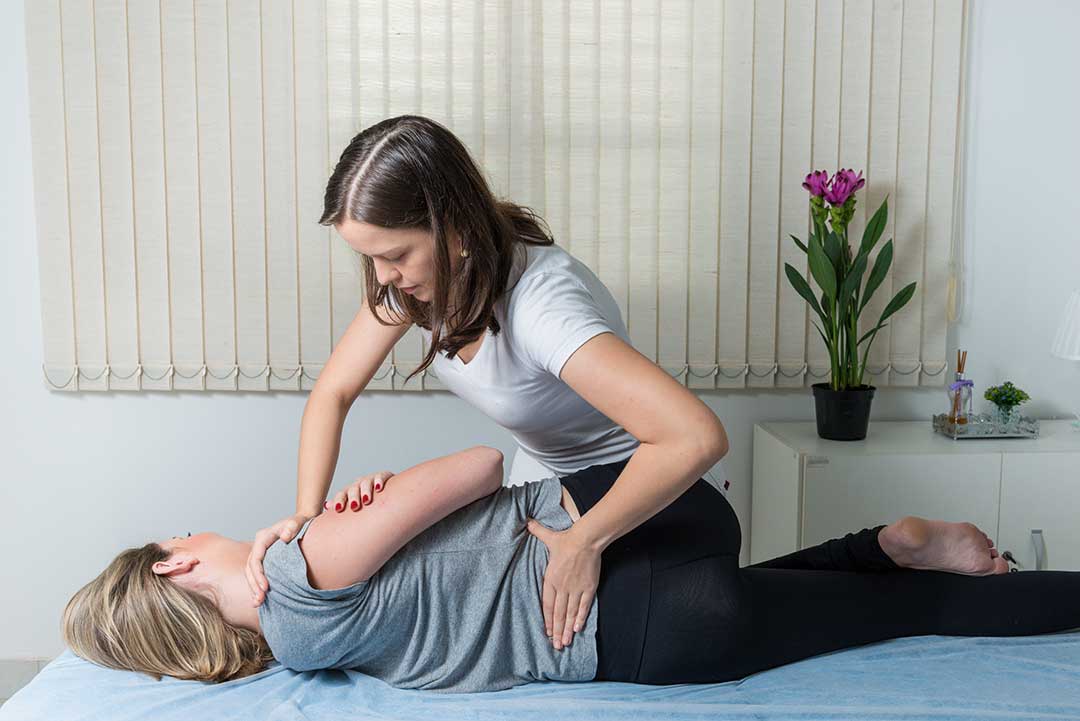
Self-massage with a tennis ball, massage tool, or hands may help some people, but pressure should remain tolerable. Sharp, electric, worsening, or radiating pain is a reason to stop. Aggressive pressure can aggravate an already irritated muscle or an underlying joint or nerve problem.
Over-the-counter pain medicines may not be appropriate for everyone, particularly people with kidney disease, stomach ulcers, bleeding risks, medication interactions, pregnancy, or certain heart conditions. A pharmacist or medical clinician can help determine whether a medication is safe.
What treatments may be used for persistent symptoms?
Evaluation usually begins with questions about when the pain started, what activities affect it, whether symptoms travel, and whether there are changes in strength, sensation, or movement. A physical examination may assess muscle tenderness, joint motion, posture, strength, and neurological function.
Management may include movement retraining, therapeutic exercise, physical therapy, manual techniques, or changes to work and activity habits. The most useful approach depends on the cause rather than simply the presence of a tender spot.
Some medical settings use trigger-point injections or dry needling for selected cases. These procedures are not appropriate for every person, and they do not replace attention to contributing factors such as repetitive loading, poor recovery, or limited mobility. ([my.clevelandclinic.org](https://my.clevelandclinic.org/health/treatments/24011-myofascial-release-therapy?utm_source=openai))
When does muscle pain require prompt medical attention?
Muscle pain deserves medical evaluation when it is severe, persistent, repeatedly returning, or interfering with ordinary activities. It should also be assessed when it follows a significant injury or occurs with unexplained weakness, numbness, swelling, redness, or fever.
Seek urgent care for muscle pain accompanied by:
- Trouble breathing or dizziness
- Extreme weakness affecting routine activities
- High fever with a stiff neck
- A major injury that prevents normal movement
- Significant swelling, bleeding, or deformity
- New loss of bladder or bowel control
- Severe or progressive numbness or weakness
Pain in a calf that reliably occurs with walking and improves with rest, especially if accompanied by swelling or color change, should not be assumed to be a trigger point. A rash after a possible tick bite, signs of infection, or pain that begins after starting or increasing a medication also warrant medical attention. ([mayoclinic.org](https://www.mayoclinic.org/symptoms/muscle-pain/basics/when-to-see-doctor/sym-20050866?utm_source=openai))
The practical lesson is simple: a tender muscle spot may be part of a manageable movement or overuse problem, but the pattern matters more than the label. Paying attention to timing, activity, associated symptoms, and how the pain changes with movement provides more useful information than trying to locate a “knot” alone.
