
 See Our Latest Article on HelloNation

What Role Does the Spine Play in Daily Health?
The spine is central to almost every movement and function in the body. Beyond obvious support for standing and walking, it protects the spinal cord—a major part of the nervous system that controls sensation and movement. Everyday activities like shoveling snow, hiking on nearby trails, or even getting in and out of the car rely on spinal health.
For many in Cornwall, small changes in spinal function can affect much more than back comfort. The spine acts as the main highway for nerve signals between the brain and every organ, muscle, and joint. That means problems like poor posture or spinal misalignments may show up as headaches, fatigue, or decreased mobility—not just pain in the back itself.
How Can Spinal Problems Impact Quality of Life?
Disruptions in proper spinal alignment or movement can ripple out in ways that affect daily living:
- Mobility: Conditions like stiffness, sciatica, or nerve impingement make it harder to walk, drive, or play with children and pets.
- Fatigue: Ongoing back or neck pain can drain energy. Residents may avoid favorite activities, whether gardening or participating in local events, leading to less social connection.
- Sleep: Discomfort often leads to tossing and turning, which in turn disrupts deep, restorative sleep.
- Mood and Focus: Chronic pain or tightness has been linked to increased irritability, difficulty concentrating, and even anxiety.
- Physical Function: Improper spinal alignment can subtly affect balance, coordination, and even grip strength—issues especially relevant for older adults living independently.
What Are Common Causes of Spinal Issues Locally?
Spinal health can be affected by physical, environmental, and lifestyle factors common in area households:
- Seasonal yardwork and snow removal regularly strain the back, especially when lifting improperly or twisting.
- Sedentary time from remote work setups can lead to slouching or stiffness.
- Car commutes on rural roads may mean long stretches in awkward seated positions.
- Outdoor hobbies like hiking or yard play can involve repetitive bending or falls that jar the spine.
Home layouts in Cornwall—whether multi-story or ranch-style—can influence daily climbing, lifting, or step navigation, impacting back stress too.
Can Good Spinal Health Prevent Other Problems?
Strong alignment and flexibility support more than just comfort. A well-functioning spine helps prevent unnecessary strain on hips, knees, and shoulders. This can mean fewer sprains or aches in other joints, especially after active weekends or chores.
Proper spinal alignment also supports healthy breathing, digestion, and even immune function by helping the nervous system operate smoothly. Local families often find that small posture changes or safe lifting techniques help avoid seasonal flare-ups and reduce the chance of injuries that require long recovery periods.
What Can Residents Do at Home for Spinal Wellness?
There are several practical habits that can support spinal health for people of all ages in the community:
- Regular movement: Periodic stretching or gentle exercise—whether a walk after dinner or using local parks—keeps spinal muscles limber.
- Supportive seating: Ensuring chairs and workstations at home allow both feet to rest flat and the back to remain upright can make a significant difference.
- Lifting smart: When moving gardening supplies, bags, or shoveling, bend at the knees rather than the waist. Keep objects close to the body.
- Sleeping positions: A mattress that offers support and sleeping on one’s side or back with a pillow for alignment helps reduce strain overnight.
- Backpacks and bags: Children and adults both benefit from carrying bags with two straps and avoiding overloading them, particularly during the school year or trips to local markets.
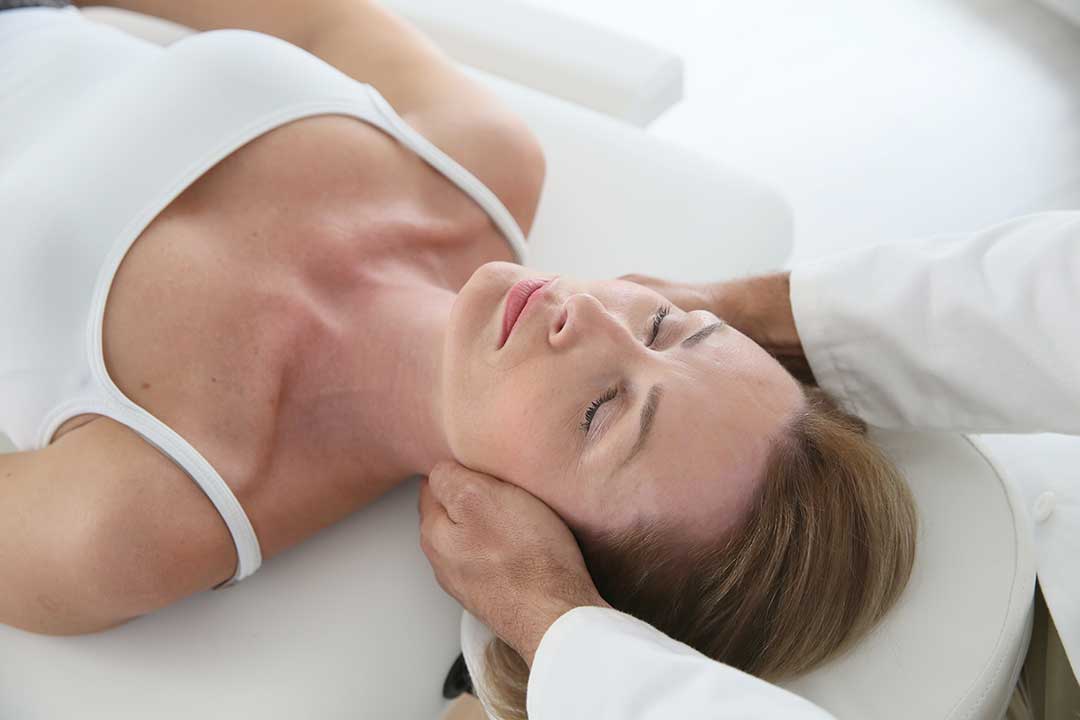
What Are Signs That Spinal Health Needs Attention?
Sometimes, spinal issues are obvious—sharp or ongoing back pain, tingling, or numbness in arms or legs. More frequently, area residents may notice subtle signs such as:
- Difficulty bending or turning
- Uneven posture in mirrors or photos
- Frequent headaches or neck tension
- Pain worsening at night or after sitting for a while
- Loss of flexibility, such as struggling to reach overhead shelves or tie shoes
Ignoring these subtle clues can lead to compensation patterns that eventually cause more discomfort or limit independence.
Are There Myths or Misconceptions About Spinal Health?
It’s common to believe that back issues only affect older adults or those with physically demanding jobs. In reality, spinal strain can begin at any age. Children in the community may experience posture problems from heavy backpacks or hours on digital devices. Similarly, adults can develop chronic issues from repeated habits, not just sudden injuries.
Another misconception: Rest is always best for back pain. In many cases, gentle activity and movement actually speed recovery, while too much rest may slow the healing process and increase stiffness.
Why Prioritize Spinal Wellness in Everyday Life?
Supporting spinal health is not just about avoiding pain—it often means enjoying greater energy, confidence, and freedom of movement. Whether participating in community events, maintaining a home, or simply keeping up with loved ones, a healthy spine supports full engagement with life in the city.
Making small, consistent adjustments to daily routines, choosing supportive footwear, maintaining a comfortable workspace, and listening to one’s body can help keep the spine strong and adaptable for years to come.
