
 See Our Latest Article on HelloNation
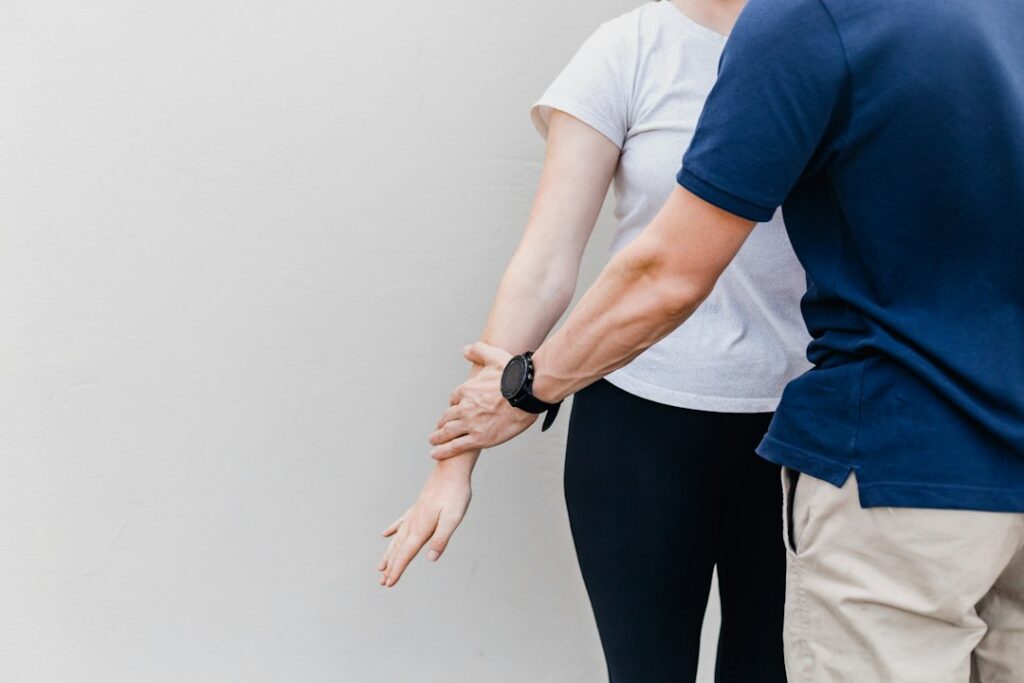
Living with stiff joints, recurring back discomfort, or reduced flexibility can make ordinary activities feel harder than they should. Natural mobility strategies—such as regular movement, strength training, improved balance, and sensible daily habits—can often support easier motion without relying on aggressive treatments.
For residents in Cornwall, NY, seasonal conditions and everyday routines may affect mobility. Cold temperatures can make muscles feel tighter, while snow, ice, uneven walkways, long commutes, household chores, and extended periods of sitting can place extra demands on the back, hips, knees, shoulders, and ankles.
What does “mobility” really mean?
Mobility is the ability to move a joint or body region through a useful range of motion while maintaining control. It is different from flexibility, which generally describes how far a muscle or joint can move without necessarily requiring strength or coordination.
For example, reaching overhead to place an item on a shelf requires shoulder mobility, trunk control, and upper-back movement. Climbing stairs requires adequate motion and strength in the hips, knees, and ankles. Getting out of a chair involves leg power, balance, and coordination.
Mobility can decline because of inactivity, previous injuries, age-related changes, muscle weakness, poor sleep, stress, or repeatedly working in the same position. Improvement usually comes from consistent, gradual practice rather than a single stretch or exercise.
Can daily movement improve stiffness?
Yes. Frequent, comfortable movement can reduce the effects of prolonged sitting and help the body tolerate normal activities more easily. Short periods of activity spread throughout the day are often more practical than relying on one long workout.
Useful options include:
- Walking at a comfortable pace
- Changing position every 30 to 60 minutes
- Gently rotating the shoulders and ankles
- Performing controlled sit-to-stand movements
- Taking brief walking breaks during work or household tasks
- Using stairs when balance and joint comfort allow
The goal is not to force a joint to move farther. The goal is to give the body regular opportunities to move without creating a significant increase in pain or swelling.
During colder months, muscles may feel less responsive at first. A few minutes of easy walking or gentle motion before outdoor activity can help the body transition from rest to movement. Extra caution is appropriate on slippery surfaces, where a fall can cause a sudden and serious injury.
Which exercises support better mobility?
A balanced routine should include range-of-motion work, strength, balance, and aerobic activity. Each category supports a different part of comfortable movement.
Range-of-motion exercises keep joints moving through comfortable positions. Examples include slow neck turns, shoulder blade movements, pelvic tilts, ankle circles, and gentle hip movements.
Strength exercises help the body control those movements. Sit-to-stand repetitions, wall push-ups, heel raises, and supported step-ups can strengthen muscles used in daily life. The movement should be controlled, and the amount of resistance should match current ability.
Balance exercises can improve confidence and reduce the risk of losing stability. Standing near a sturdy countertop, a person may practice shifting weight from side to side, standing with feet closer together, or briefly lifting one foot. Support should remain nearby, especially for anyone with a history of falls.
Aerobic activity supports endurance so that walking, shopping, household work, and outdoor activities require less effort. Walking, water exercise, and stationary cycling are examples that can often be adjusted to different fitness levels.
A simple routine might include five minutes of easy movement, several strength exercises, a short balance practice, and a relaxed walk. Starting with small amounts is more sustainable than beginning with an intense program.
Is stretching enough to restore mobility?
Stretching may help, but it is rarely the complete answer. A joint can feel restricted because surrounding muscles are weak, because movement patterns have changed after an injury, or because the nervous system is protecting a painful area. Stretching alone does not address all of these factors.
Gentle stretching is generally most useful after the body has warmed up. A stretch should feel mild to moderate, not sharp, electric, or forceful. Holding a comfortable position for roughly 15 to 30 seconds may be appropriate for many general stretches, but the correct duration depends on the person and the area being addressed.
Mobility drills that combine slow movement with control can be more useful than trying to push farther into a static stretch. For example, controlled shoulder reaches, gentle hip hinges, and ankle movements may help a person learn to use available motion more effectively.
How do posture and daily habits affect mobility?
Posture is not a fixed position that must be maintained all day. The body generally benefits more from changing positions regularly than from trying to hold a “perfect” posture.

A few practical adjustments can reduce unnecessary strain:
- Keep frequently used items within easy reach.
- Avoid twisting while lifting; turn the feet and hips instead.
- Use a chair height that allows the feet to rest comfortably on the floor.
- Alternate hands and positions during repetitive tasks.
- Carry loads close to the body.
- Break larger chores into shorter sections.
- Use handrails on stairs and clear snow or ice from walking paths when possible.
Home layouts can also influence movement. Narrow pathways, loose rugs, poor lighting, and clutter increase the physical and balance demands of ordinary walking. Improving the environment may support mobility as much as adding another exercise.
Can sleep, stress, and nutrition influence movement?
Yes. Poor sleep can increase sensitivity to discomfort and reduce energy for physical activity. Stress may lead to muscle tension, shallow breathing, or guarded movement. These effects can make stiffness feel worse even when no new injury has occurred.
Regular sleep habits, adequate hydration, and balanced meals support recovery and energy. Protein-rich foods, fruits, vegetables, whole grains, and sources of calcium and vitamin D can contribute to general musculoskeletal health. Food alone will not correct a structural problem, but nutrition is part of maintaining the tissues used for movement.
Breathing slowly during mobility exercises can also help reduce unnecessary muscle bracing. Movements are often easier when performed with a relaxed jaw, lowered shoulders, and steady breathing.
When should mobility problems be evaluated?
Some discomfort after unfamiliar activity is expected, but certain symptoms deserve timely medical attention. Seek evaluation for sudden or severe pain, significant swelling, visible deformity, inability to bear weight, progressive weakness, numbness, loss of coordination, or symptoms following a fall or other traumatic event.
Back pain accompanied by new bowel or bladder problems, numbness in the saddle area, or rapidly worsening leg weakness requires urgent medical care.
For persistent stiffness or recurring pain, an evaluation can help determine whether the issue is related to a joint, muscle, nerve, balance problem, or another health condition. Chiropractic care may be one part of a broader approach for some people, while others may benefit from medical assessment, physical therapy, or exercise guidance. The appropriate path depends on the symptoms, health history, and examination findings.
Improving mobility is usually a process of making movement safer, more predictable, and more comfortable. Consistent activity, gradual strengthening, attention to balance, and practical changes around the home can help residents stay capable during both quiet indoor months and more active outdoor seasons.
