
 See Our Latest Article on HelloNation
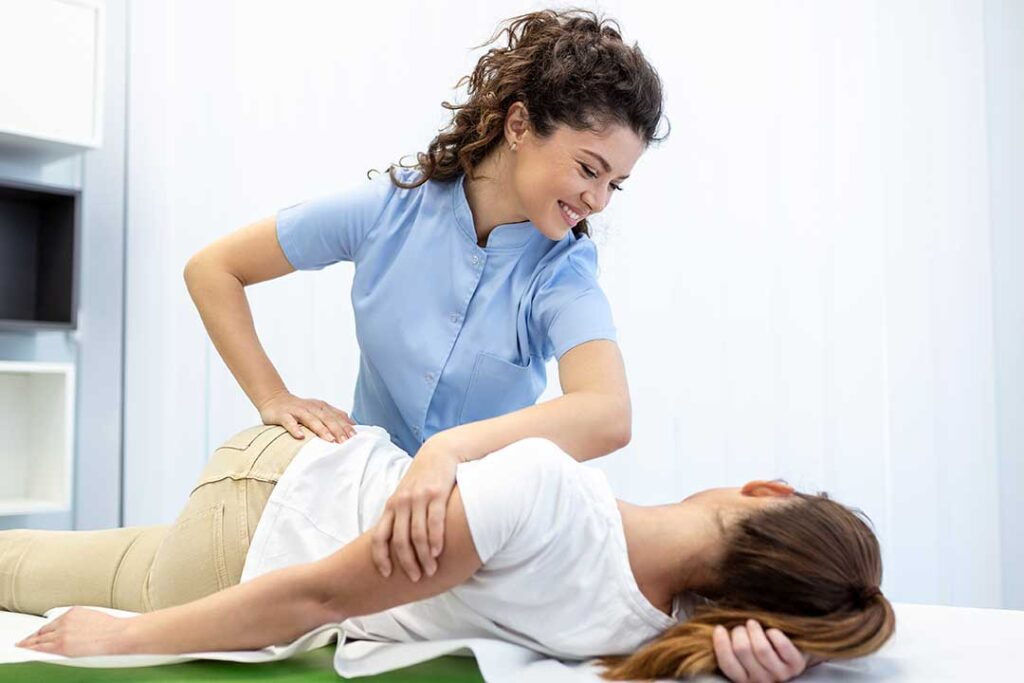
What Is the Graston Technique?
The Graston Technique is a specialized form of manual therapy where stainless steel instruments are used by skilled practitioners to detect and treat areas of soft tissue restriction. In Cornwall, NY, residents often hear about this method when searching for alternative ways to manage pain or improve mobility, especially for conditions that affect muscles, tendons, and ligaments. The technique helps break down scar tissue and fascial restrictions through a targeted combination of instrument-assisted massage and movement.
How Does the Graston Technique Work?
The core of the technique involves gently scraping or gliding the rounded metal instruments over the skin, focusing on areas where a practitioner identifies tightness, knots, or fibrous tissue build-up. This controlled microtrauma is intended to:
- Stimulate local blood flow
- Encourage cellular repair processes
- Reduce chronic inflammation
Residents who participate in active lifestyles—such as hiking Storm King State Park or gardening through the Hudson Valley seasons—might find this approach useful for repetitive strain injuries or lingering aches. Sessions are typically brief and may be part of a larger therapy program involving stretching, exercise, and ergonomic advice.
What Conditions Is the Graston Technique Used For?
While only a healthcare professional can determine the suitability of this approach, common reasons for recommending the technique include:
- Tendinitis and tendinosis, especially in the shoulder, elbow, or Achilles tendon
- Plantar fasciitis from long walks on area trails
- Carpal tunnel syndrome and overuse injuries in hands and wrists, which are not uncommon among those who type or work with tools regularly
- Post-injury scar tissue that restricts movement, such as after ankle or knee sprains
- Chronic muscle tightness in the neck, back, or legs due to everyday activities
Does the Graston Technique Hurt? What Should Local Residents Expect?
Most people describe the sensation as “unusual” rather than painful, with a mild scraping or kneading feeling. Occasionally, the area may redden, bruise, or become temporarily sore, especially after the first few sessions. This is a normal response as soft tissue mobilization takes place. To manage discomfort, local residents can use ice packs at home—especially during the humid summer months, when swelling tends to linger a bit longer.
Many report feeling looser or experiencing greater mobility after treatment, though it may take several sessions to notice significant changes, especially for longstanding issues.
Are There Risks or Side Effects?
Risks are generally low when the technique is performed by a trained professional. Temporary side effects may include:
- Redness or mild bruising where the instrument was applied
- Soreness in the treated area for a day or two
- Rarely, increased sensitivity if tissues are already inflamed
It’s not recommended for people with certain health conditions, such as open wounds, active infections, unhealed fractures, or specific blood disorders, without direct medical guidance. Pregnant individuals or those on blood-thinning medications should also discuss safety with their healthcare provider. In a smaller community like Cornwall, residents often appreciate open conversations and practical safety advice before starting any new modality.
How Does the Graston Technique Fit Into Broader Chiropractic Care?
The Graston Technique is one tool among many that chiropractors trained in musculoskeletal care might use. It is not a standalone “cure” but is usually combined with other therapies such as:
- Joint mobilization or gentle adjustments
- Rehabilitative exercises tailored to the climate and lifestyle of the Hudson Highlands region
- Posture education relevant to local commuting patterns or at-home workspaces
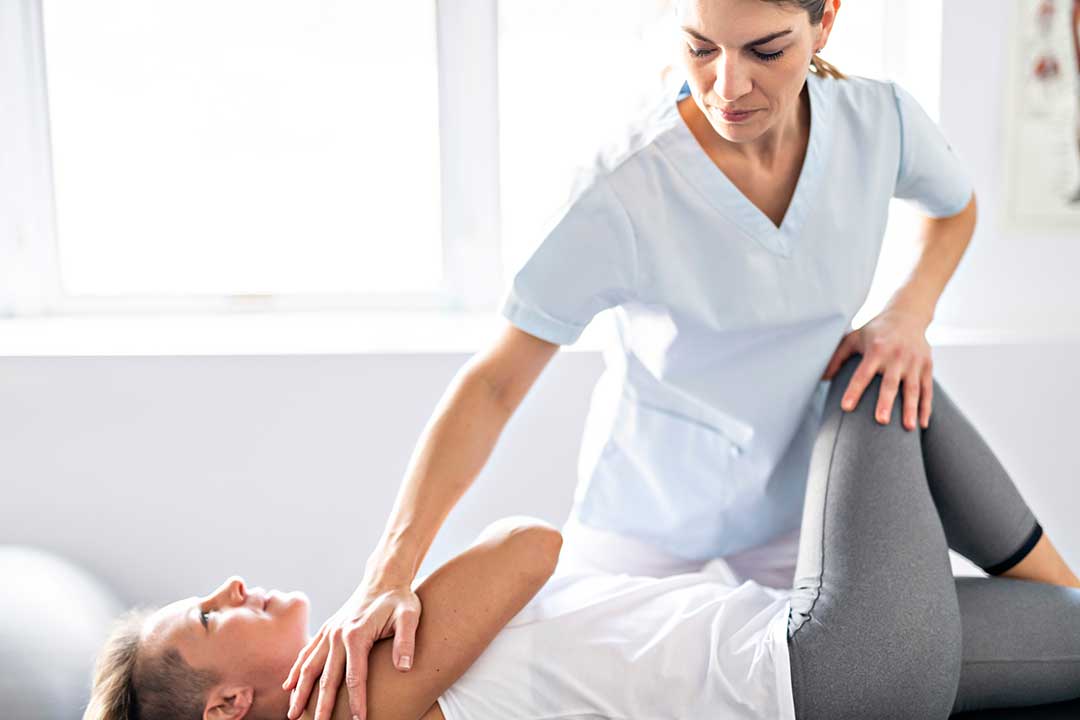
This holistic strategy is designed to address not just the symptoms but also the underlying causes of discomfort or dysfunction. For instance, someone struggling with repetitive strain from snow shoveling in the winter might benefit from Graston to ease muscular knots, alongside advice on ergonomic movement.
What Are Some Common Misconceptions in the Community?
There are a few frequent misunderstandings that area households might encounter:
- The Graston Technique is not “just massage”—it’s a targeted method with its own distinct purpose and effects.
- It is not exclusively for athletes; anyone with chronic tension, old injuries, or soft tissue pain may benefit.
- Marking or bruising is not a sign of treatment failure; it’s usually a normal, short-lived response.
- The technique does not replace the need for movement, stretching, or other medical care—it's a piece of a larger recovery puzzle.
What Should Local Residents Consider Before Trying the Technique?
In Cornwall, local climate, work-life routines, and seasonal shifts can influence both the type of soft tissue complaints people experience and their response to treatment. For example, gardening or yard work in spring leads to different strains compared to icy winter sidewalks.
Points that area residents may want to reflect on include:
- Personal health history and any ongoing medications
- Specific goals, such as returning to hiking, improving sleep, or managing job-related discomfort
- Willingness to follow post-treatment care instructions like stretching or icing
Ultimately, knowing whether this method fits one’s needs often starts with understanding the realistic benefits and limitations, keeping expectations practical and focused on gradual improvement.
